
This article may contain affiliate links. As an Amazon Associate I earn from qualifying purchases.
Small kitchens demand smart thinking. Limited counter space, narrow aisles, and compact storage can make cooking and daily tasks feel cramped — but with intentional organization you can make a small kitchen work harder and feel larger.
These kitchen organization tips focus on practical, low-cost changes and a few furniture swaps that deliver big gains in function and flow. If you want to browse items that match these solutions, start at Home Cove Picks to see options chosen for small spaces and multifunctional design.
Maximize vertical space
When floor footprint is limited, go up. Tall shelving turns wasted vertical real estate into pantry and appliance storage. Use open shelves for frequently used items and closed shelving for overflow.
For a freestanding solution that fits narrow kitchens and can act as both pantry and display, consider a unit like the HOMISSUE Tall Bookshelf. Place heavier items on lower shelves and baskets on higher shelves to keep things accessible and safe.
Choose multi-functional furniture
Look for pieces that combine seating, storage, and surface area. A storage bench can serve as extra seating, a place to tuck kitchen textiles or bulk packaging, and a simple step-up to reach high shelves.
For example, a storage bench like the VASAGLE Storage Chest, Storage Bench works well in a kitchen nook or near a breakfast area to keep seldom-used gadgets and table linens out of sight.
Smart containers and clear labeling
Containers transform cluttered cabinets into efficient zones. Use uniform, stackable bins to maximize cabinet and shelf capacity and choose options with tight lids for dry goods.
Plastic bins with lids are ideal for pantry staples, snacks, and seasonal items. Stock a few sizes of Plastic Storage Bins with Lids to group like items, rotate inventory, and keep pests out. Label both the front and the top of bins so you can identify contents when they’re stacked.
Use narrow and hidden storage
Small kitchens benefit from narrow cabinetry and hidden organizers that make use of gaps next to appliances or between cabinets. Slim vertical storage is perfect for baking sheets, cutting boards, and cleaning supplies.
A narrow flip-style cabinet, such as a slim shoe-cabinet-style organizer repurposed for kitchen tools, is surprisingly effective. Consider a unit like the Xixini Shoe Storage Cabinet for Entryway in a utility corner to hold wraps, foil, cutting boards, and placemats while keeping them easy to reach.
Optimize cabinets and drawers
Organizing inserts turn deep, underused cabinets into high-performance storage. Use vertical dividers for lids and baking sheets, tiered risers for canned goods, and drawer trays for utensils.
Also, deploy stackable storage bins for seasonal cookware or lower-use items. Larger stackable options like the Hefty 72 Qt Hi-Rise Storage Bin with Lid are useful beneath sinks, in pantry closets, or tucked under benches to organize bulky or infrequently used items while protecting them from dust and moisture.
Make small dining and seating work
Compact kitchens often double as dining spaces. Choose a table that scales to need: a small fixed table for two, or a compact expanding table for guests. Wall-mounted drop-leaf and fold-away tables maximize floor space when not in use.
If you need a permanent surface that still fits a small footprint, browse compact solutions under Dining Tables. Pair a small table with stackable or stowable chairs to clear space quickly for cooking or moving.
Create zones and establish a workflow
Divide the kitchen into clear zones: prep, cook, clean, and dining. Keep tools and ingredients close to their zones (e.g., knives and cutting boards near the prep surface). This reduces movement and clears counters faster.
For seating at a counter or slim island, use compact stools that tuck away. A set of quality Bar Stools lets you create a casual dining spot without sacrificing valuable floor area — pick stools with a small footprint and a lightweight frame for easy maneuvering.
Maintain a regular purge and simple systems
Small spaces become cramped when items accumulate. Schedule a quarterly purge: remove duplicate gadgets, donate unused small appliances, and recycle expired pantry goods. Keep a “landing zone” for groceries and mail so counters stay clear.
Adopt a one-in/one-out rule for specialty items like bakeware or large platters, and keep a small list on your phone or near the pantry so you avoid re-buying things you already own.
Quick kitchen organization checklist
- Install tall shelving to use vertical space.
- Swap a chair for a storage bench to add hidden capacity.
- Group pantry items in stackable Plastic Storage Bins with Lids and label clearly.
- Use narrow flip cabinets or a slim cabinet to store boards and wraps.
- Organize drawers with trays and cabinet interiors with risers.
- Choose a compact table and stowable seating to expand floor space.
- Purge quarterly and keep a running inventory list.
FAQ
- Q: What’s the best way to store pots and pans in a small kitchen?
A: Stack pans with a plate separator or use deep drawer organizers. Hang lids on a vertical rack or inside cabinet doors for quick access. - Q: How do I keep countertops clear when I have limited cabinet space?
A: Move rarely used appliances to a labeled bin or high shelf, and use wall-mounted rails or magnetic strips for utensils and knives. - Q: Can furniture designed for other rooms work in a kitchen?
A: Yes. Items like narrow bookshelves, storage benches, and slim cabinets are often repurposed successfully to add extra storage and seating. - Q: How do I store bulk food in a small kitchen without losing accessibility?
A: Use uniform, stackable bins and label them. Keep bulk items in one dedicated area (top shelf or lower cabinet) and transfer frequently used portions into smaller containers for daily access. - Q: Any tips for small kitchen dining with guests?
A: Use an expandable or drop-leaf table and stackable chairs or stools. Clear counters and create temporary serving zones so cooking and socializing can happen simultaneously.
Small kitchens require discipline and a few smart purchases. Focus on vertical storage, multi-functional furniture, clear containers, and defined zones. Start with one area — a pantry shelf or a single drawer — apply a system, and expand that logic across the kitchen. The result is a cleaner, more efficient space that feels larger and works better every day.
Products Featured in This Article
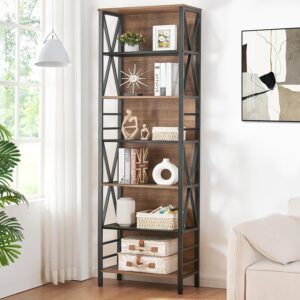
HOMISSUE Tall Bookshelf, 7-Tier Boo…
Product description Bookcase with Back Panel Simple to assemble with detailed installation instructions Solid and stable…

VASAGLE Storage Chest, Storage Benc…
Product description Spacious to Organize More Items Large Capacity The large hidden compartment of this storage…

Xixini Shoe Storage Cabinet for Ent…
Product description Make Your Entryway Neat & Organized with XIXINI Shoe Storage Cabinet The video showcases…

Hefty 72 Qt Hi-Rise Storage Bin wit…
Product description Find the right HI-RISE Container Add to Cart Add to Cart Add to Cart…

How to Store Pots, Pans, and Kitchen Utensils Efficiently
Affiliate DisclosureThis article may contain affiliate links. As an Amazon Associate I earn from qualifying...
Read Guide →
Simple Meal Prep Organization Tips for Busy Households
Affiliate DisclosureThis article may contain affiliate links. As an Amazon Associate I earn from qualifying...
Read Guide →
How to Keep Kitchen Counters Clean and Clutter-Free
Affiliate DisclosureThis article may contain affiliate links. As an Amazon Associate I earn from qualifying...
Read Guide →