
This article may contain affiliate links. As an Amazon Associate I earn from qualifying purchases.
How to Create a More Functional Cooking Space
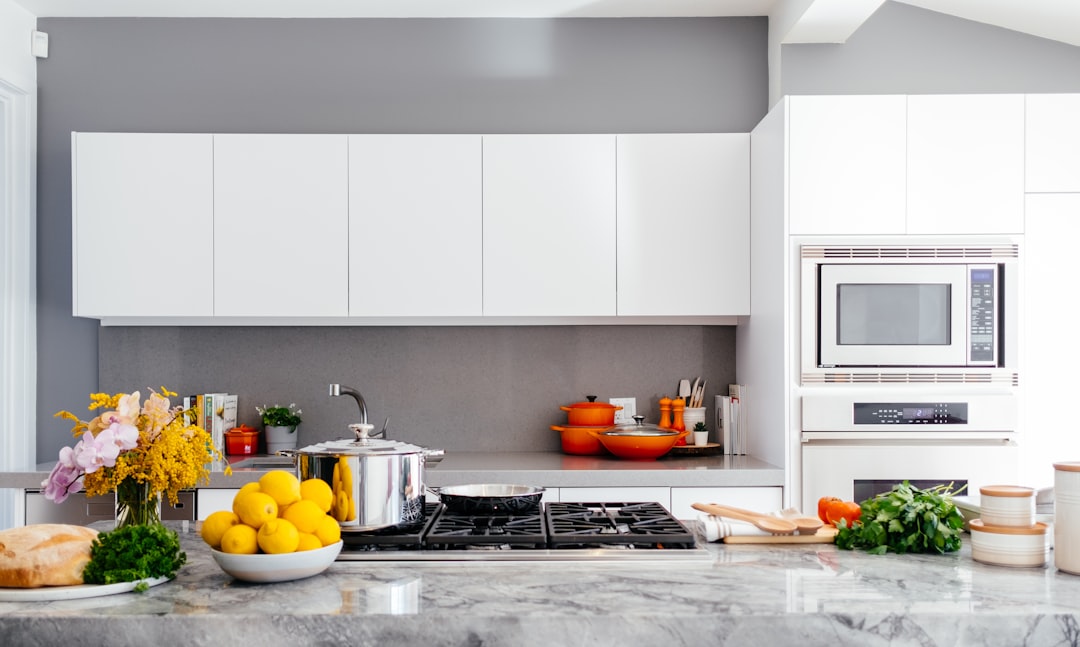
Good kitchens aren’t just about looks — they’re about how you move, work, and store. A functional cooking space reduces wasted steps, keeps essentials within reach, and makes meal prep faster and more enjoyable.
This guide offers practical, room-by-room strategies you can implement on a weekend or over a few phased projects. Each tip focuses on flow, storage, and small investments that repay in daily convenience.
Assess your cooking workflow
Start by watching how you cook for a few meals: where you reach for utensils, where ingredients live, and which surfaces you actually use. Map the sequence (store → prep → cook → serve → clean) and note friction points — too few outlets, a distant trash can, or an overcrowded prep surface.
When you redesign zones, consider adding open shelving near prep areas for frequently used items. A simple set of bookshelves can be repurposed as a compact pantry or spice station, keeping everything visible and easy to grab.
Optimize layout and seating for efficiency
Use the kitchen work triangle (fridge → sink → stove) as a guideline, but adapt it to your space and habits. If you have an island, locate prep and cleanup on opposite sides so one person can rinse while another chops.
If seating is part of your island or counter, choose stools that are easy to slide and don’t block traffic. Low-profile bar stools allow casual dining without encroaching on prep space — pick models with footrests and slim bases to keep paths clear.
Prioritize smart storage solutions
Efficient storage starts with zoning and ends with appropriate containers. Group dry goods, baking supplies, and snack items together so you’re not hunting across multiple cabinets. Use clear, labeled containers for visibility and uniform stacking.
For pantry overflow and bulk items, use stackable plastic storage bins with lids. They protect against pests, moisture, and dust while being easy to pull off a shelf or slide under a counter.
Maximize countertop and prep space
Counter space is precious. Keep only daily-use items on the counter and store specialty gadgets. Create a dedicated cutting/assembly area with a durable surface, easily accessible knives, and a nearby trash or compost bin to avoid carrying scraps across the room.
When you need extra prep area, an extendable or dedicated table can serve double duty. A sturdy dining table positioned near the kitchen becomes a reliable work surface for large meals and can also host guests.
Repurpose slim and modular furniture for kitchen organization
Small footprints and modular units often work better than one large cabinet in tight kitchens. A narrow, flip-door organizer originally made for another room can be repositioned to store spices, oils, or baking sheets.
Consider using a slim shoe storage cabinet vertically for narrow pantry items like spice jars and cooking oils — the compartments keep bottles upright and accessible without taking deep shelf space.
Add multi-functional furniture for more utility
Furniture that combines seating with storage reduces clutter and expands functionality. Choose pieces with hidden compartments for seldom-used appliances, linens, or overflow groceries so counters stay clear.
A storage bench placed along an eating nook or galley wall can hold bulk paper goods or dishware and provide a quick place to sit while prepping. Explore a compact storage bench to add both seating and hidden storage without sacrificing floor area.
Protect surfaces and streamline maintenance
Preventative measures keep a kitchen functional longer. Use heat- and moisture-resistant pads for cookware, and protect wood or stone with coasters and trivets. A neat set of surface protectors makes daily cleanup simpler and prevents long-term damage.
Small accessories like quality coasters are inexpensive insurance for counters and tables. Items such as the Lazebox coasters keep surfaces safe from heat and spills and are useful on prep tables, dining surfaces, and near small appliances.
Plan for seasonal & bulk storage
Not everything belongs in the daily-use zone. Designate labeled bins for seasonal gear, party supplies, or bulk buys and store them out of the way but accessible. Rotate contents seasonally to avoid forgotten items.
Durable, stackable options like the Hefty 72 Qt hi-rise storage bin are ideal for airtight bulk storage, under-bed overflow, or holiday cookware — they’re easy to slide in and out of higher shelves or a pantry closet.
Quick checklist
- Map your cooking flow: fridge → prep → cook → clean.
- Clear counters: keep only daily essentials visible.
- Zone storage: group similar items and label containers.
- Add a dedicated prep surface (or use a dining table) for big meals.
- Use slim or stackable furniture to maximize narrow spaces.
- Protect countertops with coasters and trivets.
- Rotate seasonal bins yearly and keep bulk items sealed.
FAQ
-
How do I decide what stays on the counter?
Keep only what you use multiple times per week: coffee maker, knife block, and a frequently used utensil holder. Store specialty gadgets and appliances you use less often.
-
Can I make a small kitchen work for a family?
Yes — prioritize vertical storage, multi-use surfaces, and clear zones for food prep, storage, and cleanup. A foldable table or compact dining table doubles as extra prep space.
-
What’s the best way to store bulk foods?
Use airtight, stackable bins or clear containers labeled by category. Store heavy items low and seasonal or rarely used items in stackable bins higher up.
-
How do I keep the kitchen organized long-term?
Schedule brief weekly resets: wipe counters, return items to zones, and purge expired pantry goods. Consistent small actions prevent large reorganizations.
-
Are open shelves a good idea?
Open shelving works well for frequently used dishes and ingredients — it saves cabinet space and keeps things visible. Balance with closed storage for clutter-prone items.
Conclusion
Creating a more functional cooking space is mostly about clear zones, sensible storage, and surfaces that match your habits. Start with a workflow assessment, add targeted storage solutions, and choose furniture that adds utility without crowding the room. Even small changes — a stackable bin, a slim organizer, or a bench with storage — can dramatically improve daily flow.
Practical takeaway: implement one change this weekend — clear a countertop, add a labeled bin, or repurpose a narrow cabinet — and build momentum from there.
Products Featured in This Article

Hefty 72 Qt Hi-Rise Storage Bin wit…
Product description Find the right HI-RISE Container Add to Cart Add to Cart Add to Cart…

Lazebox Coasters Set of 8 for Drink…
Product description Perfect Size: Each coaster measures 4″, making them suitable for most types of cups,…

How to Store Pots, Pans, and Kitchen Utensils Efficiently
Affiliate DisclosureThis article may contain affiliate links. As an Amazon Associate I earn from qualifying...
Read Guide →
Simple Meal Prep Organization Tips for Busy Households
Affiliate DisclosureThis article may contain affiliate links. As an Amazon Associate I earn from qualifying...
Read Guide →
A Practical Guide to Organizing Your Pantry
Affiliate DisclosureThis article may contain affiliate links. As an Amazon Associate I earn from qualifying...
Read Guide →