


How to Use Lighting to Improve Every Room
Lighting transforms a house into a home: it defines mood, improves function, and highlights the things you love. Thoughtful lighting design is as important as furniture or paint, and with a few practical moves you can make every room feel brighter, more useful, and more inviting.
This guide walks through room-by-room strategies you can apply today. No jargon—just clear, trustworthy advice you can use when shopping, arranging, or swapping bulbs.
Know the three light types first
Before changing fixtures or buying lamps, understand the three basic layers of lighting:
- Ambient: general, room-wide illumination (ceiling fixtures, recessed lights).
- Task: concentrated light for activities (reading, cooking, working).
- Accent: decorative lighting that highlights features (art, shelving, architectural details).
Plan each room with all three layers in mind. That balance prevents harsh shadows and eliminates the “one-light-fits-all” problem many homes suffer from.
Entryway: bright, welcoming, and practical
The entryway sets first impressions and needs reliable visibility for shoe changes, bag setting, and mail sorting. A ceiling fixture or flush mount provides ambient light; then add a lamp or wall sconce for a welcoming glow.
Pair lighting decisions with functional furniture—an organized entry is easier to light and maintain. Consider an Entryway Benches with built-in storage or surface space where a lamp can sit. Good lighting near the bench helps when you’re tying shoes or looking for keys in a bag.
Living room: layer for conversation and comfort
In living areas, prioritize layered lighting: overhead for general use, floor or table lamps for reading or conversation zones, and accent lighting to showcase decor. Dimmable overheads let you shift from bright cleaning mode to cozy movie night in seconds.
If your living room includes shelves or an entertainment wall, use accent lights to create depth. Books and display pieces get a lot more presence under directed light—pair shelving with targeted fixtures or LED strips along a Bookshelves unit to create visual interest without overpowering the room.
Kitchen & dining: task first, ambiance second
Function is king in the kitchen. Bright, shadow-free task lighting over work surfaces—under-cabinet strips, pendant lights above islands, and focused recessed lights—improves safety and speed for meal prep.
For breakfast bars or kitchen islands that double as social spots, choose pendants with downward light and pair them with seating that encourages interaction. If you have a counter-height area, coordinate pendant height with your Bar Stools so light lands where people sit without glare in their eyes.
Bedroom: soft, layered, and bedside-focused
Bedrooms need to be calming and practical. Start with a warm ambient source—dimmable if possible—and add task lighting for reading. Bedside lamps or wall-mounted sconces free up nightstand surface and keep light where you need it.
When choosing bedside furniture, select pieces that support lighting choices. A compact lamp fits neatly on modern Nightstands, while wall lights leave drawer space free. Prioritize warm color temperatures (2700–3000K) for nighttime comfort.
Home office: reduce glare, improve focus
Workspaces require bright, even illumination without reflections on screens. Position task lights to the side opposite your dominant hand to avoid casting shadows while writing. Use an adjustable desk lamp for close tasks and good ambient light to reduce eye strain.
If you’re setting up or upgrading a workspace, pair your lighting plan with an ergonomic layout—a properly sized Computer Desks and a well-positioned monitor will make your lighting more effective and comfortable for long sessions.
Small rooms and storage: smart, efficient solutions
Tight spaces like closets, pantries, and utility rooms benefit from bright, even light. Battery-operated LED puck lights and motion-sensor fixtures solve wiring challenges and turn on only when needed.
Good lighting also helps in organized storage. Use clear containers and label faces for visibility; pairing lighting with storage choices makes finding items faster. Consider adding dedicated illumination near stackable bins—like Plastic Storage Bins with Lids—so contents are easily seen even on lower shelves.
Accent & decorative lighting: mood without clutter
Accent lighting sets atmosphere and highlights focal points. Use LED strips behind TVs or under sofas, display lights for art, and small spotlights for plants or architectural details. Dimmer switches and smart bulbs let you tailor scenes for different occasions.
For subtle, warm accent lighting, decorative elements like candle warmers can provide soft light and scent safely. A small device such as the Innqoo Candle Warmer Lamp doubles as ambient light and a mood enhancer without an open flame.
Practical lighting for storage and entry organization
Effective lighting should support how your home functions. In entry closets and narrow hallways, bright task lighting reduces fumbling. For slim or vertical shoe storage, position lights so each shelf is visible.
If you’re organizing an entryway with compact storage, a narrow cabinet that’s well-lit makes for a neater appearance and easier access. A slim option like the Xixini Shoe Storage Cabinet for Entryway benefits greatly from an overhead or wall-mounted light to keep the space functional and inviting.
Quick lighting checklist
- Map rooms by activity: assign ambient, task, and accent lighting for each.
- Use warm (2700–3000K) for bedrooms and living rooms; neutral (3000–4000K) for kitchens and work areas.
- Install dimmers or smart bulbs for flexibility.
- Place task lights at the appropriate height and angle for the activity.
- Highlight storage with dedicated, localized lights and clear containers.
- Balance illumination: avoid single bright sources that create harsh shadows.
FAQ
-
How bright should a living room be?
Aim for 10–20 lumens per square foot for ambient light, with higher local levels for reading areas. Use dimmers to adapt brightness for different activities.
-
Should I use warm or cool bulbs?
Warm (2700–3000K) is best for relaxation spaces; neutral to cool (3000–4000K) is better for task-focused rooms like kitchens and offices.
-
Are LED bulbs worth it?
Yes—LEDs are energy-efficient, have longer lifespans, and now offer a wide range of color temperatures and dimming options suitable for most rooms.
-
How do I light a narrow hallway?
Use evenly spaced ceiling or wall fixtures and consider recessed lights or wall sconces to reduce glare and shadows.
-
Can lighting make small rooms look bigger?
Yes—well-placed ambient light, accent lighting on walls or shelving, and minimizing heavy shadows visually expand a space.
Conclusion: a practical takeaway
Plan lighting by activity, layer sources, and use dimmers or adjustable fixtures to create flexible rooms. Match lighting improvements with the right furniture and storage choices—like benches or desks that support lamps and fixtures—to make the upgrades functional and lasting. Start small: swap to warm LEDs, add a task lamp, and then layer in accents to see immediate improvement.
Products Featured in This Article

Xixini Shoe Storage Cabinet for Ent…
Product description Make Your Entryway Neat & Organized with XIXINI Shoe Storage Cabinet The video showcases…
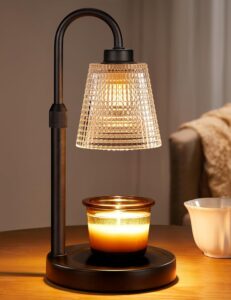
Innqoo Candle Warmer Lamp with Time…
From the brand Ideal Gift Gold Candle Warmer Lamp Brown Candle Warmer Lamp Rustic Candle Warmer…