


How to Clean Hard-to-Reach Areas Around the Home
Dust, grime and clutter collect in the corners we forget: underneath furniture, behind appliances, inside closets and on high shelves. Taming these spots keeps your home healthier, extends the life of furniture and makes regular cleaning faster.
This guide gives step-by-step, practical techniques and the right tools to reach and clean those tricky areas safely and effectively.
1. Tools and prep: what to have before you start
Assemble a small toolkit before you begin: a vacuum with a crevice tool, extendable duster, microfiber cloths, a stiff brush or old toothbrush, mild all-purpose cleaner, a long-handled mop or flat-head duster, and protective gloves. Clear floor space so you can move furniture without scraping floors or straining your back. For living-room tops and coffee areas, clear and prep the surface to avoid spills—it helps to work with a stable center surface such as your Tribesigns Rectangular Coffee Table or similar furniture you can temporarily use for sorting items.
2. Behind electronics and media consoles
Dust and pet hair behind TVs and media centers trap heat and can affect electronics. Unplug devices first, photograph cable layouts to reconnect later, then pull the unit forward if possible. Use a vacuum with a narrow crevice tool, followed by a dry microfiber cloth for remaining dust. If the cabinet is too heavy to move, an extendable duster or flexible wand can reach into tight gaps without risking damage. Consider choosing a low-profile unit that’s easier to access—see options in the TV Stands category when planning future setups for easier maintenance.
3. Under beds and low furniture
Under-bed zones collect dust, lost items and allergens. Start by pulling out what you can and inspect the area with a flashlight. Use a long-handled vacuum attachment or a flat mop with a microfiber pad to capture dust; a push-broom followed by vacuuming works for larger debris. If your bed sits on a frame with limited clearance, consider a bed frame with raised height to make cleaning easier—compare designs like those in the Bed Frames selection to improve access.
4. High shelves and bookcases
Dust accumulates on top of tall furniture and inside high shelves. Work from top to bottom: place a step stool or small ladder on a stable surface, dust the tops and corners with an extendable duster, then wipe shelves with a slightly damp microfiber cloth. Move decorative items and books so you can clean the surface beneath; small objects can be staged on a coffee table while you work. If you’re organizing or replacing storage, freestanding bookcases like the HOMISSUE Tall Bookshelf provide easier access and open backs for airflow.
5. Closets, wardrobes and boxed storage
Closets hide dust, lost items and forgotten boxes. Empty one shelf or section at a time and wipe surfaces with a microfiber cloth. For items in plastic tubs or bins, remove contents and wipe the inside and rim before refilling. Clear, stackable containers with lids make retrieval and cleaning simpler—consider keeping a few Plastic Storage Bins with Lids to group seasonal items and reduce dust transfer.
6. Entryways, benches and shoe storage
Entryways are high-traffic and collect dirt and grit that abrades floors. Remove shoes daily from racks, sweep or vacuum beneath units, and wipe down surfaces. For narrow entryways, choose slim, flip-style organizers to keep shoes off the floor and easy to clean around—products like the Xixini Shoe Storage Cabinet are designed to reduce floor clutter and make sweeping/vacuuming faster.
7. Benches, trunks and multi-use seating
Entryway and bedroom benches often hide crumbs and dust beneath the lid and around hinges. Empty bench storage before cleaning to vacuum corners and wipe the interior with a mild cleaner. If you use a storage bench as a landing spot for bags and shoes, add a washable mat inside to keep the interior cleaner longer. A practical option for many homes is a storage bench that doubles as seating, such as the VASAGLE Storage Chest/Storage Bench, which simplifies cleaning by containing loose items.
8. Nightstands, small surfaces and electronics crevices
Nightstands and bedside drawers gather small debris and dust around chargers and alarm clocks. Remove lamps and electronics, empty drawers and use a vacuum crevice tool or small brush inside. Wipe surfaces and drawer interiors with a damp microfiber cloth—dry wood promptly. If cord routing is a recurring tangle, choose bedside tables with built-in charging features to reduce cable clutter; models like the VASAGLE LIRY Nightstands with Charging Station keep cables organized and make cleaning simpler.
Quick checklist for cleaning hard-to-reach areas
- Gather tools: vacuum (crevice tool), extendable duster, microfiber cloths, small brush, step stool.
- Unplug electronics and photograph cable layouts before disconnecting.
- Work top to bottom: dust high shelves first, then lower surfaces and floors.
- Move or support furniture safely—use sliders or get help for heavy pieces.
- Contain loose items in labeled plastic bins for easier cleaning later.
- Wipe, dry and replace items in an organized way to reduce future clutter.
Conclusion: make hard-to-reach cleaning routine and safe
Targeted cleaning of corners, behind furniture, and inside storage prevents buildup and saves time long-term. Use the right tools, clear and stage items before you clean, and consider furniture choices that improve access. Small investments in containers and purpose-built furniture turn once-dreaded cleaning tasks into quick maintenance routines.
FAQ
- How often should I clean hard-to-reach areas? Aim for a thorough pass every 3–6 months and quick spot checks monthly, more often if you have pets or allergies.
- What’s the safest cleaner for furniture and shelves? Use a mild, pH-neutral cleaner or diluted dish soap for most surfaces; always test in an inconspicuous spot and dry wood promptly.
- How can I avoid moving heavy furniture alone? Use furniture sliders, enlist help, or remove legs where possible to lighten and ease movement.
- Are storage benches and cabinets worth it for organization? Yes—multi-use pieces like storage benches and shoe cabinets reduce floor clutter and make cleaning under and around them easier.
- How do I manage cable clutter behind nightstands and TVs? Photograph the setup, unplug safely, use cable ties or built-in charging nightstands, and route cords through openings to keep them off surfaces and easy to wipe down.
Products Featured in This Article

Tribesigns Rectangular Coffee Table…
Product description Tribesigns 51-Inch Rectangular Coffee Table Its design seamlessly blends modern elegance with timeless charm,…
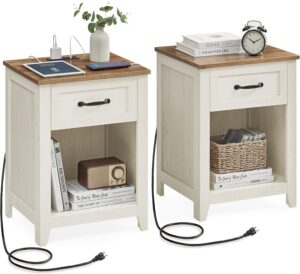
VASAGLE LIRY Collection – Far…
From the brand Shop VASAGLE LIRY Collection Shop VASAGLE LIRY Collection Shop VASAGLE LIRY Collection Shop…
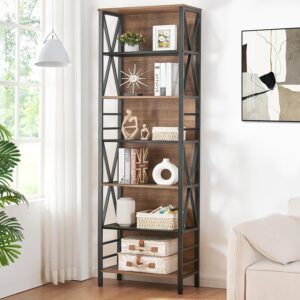
HOMISSUE Tall Bookshelf, 7-Tier Boo…
Product description Bookcase with Back Panel Simple to assemble with detailed installation instructions Solid and stable…

VASAGLE Storage Chest, Storage Benc…
Product description Spacious to Organize More Items Large Capacity The large hidden compartment of this storage…

Xixini Shoe Storage Cabinet for Ent…
Product description Make Your Entryway Neat & Organized with XIXINI Shoe Storage Cabinet The video showcases…