
This article may contain affiliate links. As an Amazon Associate I earn from qualifying purchases.
How to Choose Furniture That Fits Your Space
Choosing furniture that fits your space isn’t just about style—it’s about measurement, function, and how pieces work together. The right choices make rooms feel larger, more comfortable, and easier to live in.
This guide walks through practical steps for measuring, prioritizing, and selecting furniture so each piece earns its place. Use these tips room by room to avoid costly returns and design regrets.
Measure First: The non-negotiable step
Before you fall for a photo, measure. Capture room dimensions (length, width, ceiling height), door and hallway clearances, and any obstacles—radiators, columns, built-ins. Measure furniture openings (elevator, stairwell, door) if you’re moving large pieces in.
Sketch a simple floor plan to scale, or use an online room planner. When in doubt, mark footprint dimensions on the floor with painter’s tape to visualize traffic flow.
Define function and traffic flow
Decide how you’ll use the room. Is the living room primarily for TV and conversation? Will the entryway double as a drop zone? Each function changes ideal furniture choices and placement.
For entryways, prioritize pieces that organize and seat—consider a compact bench or organized option from the curated selection of Entryway Benches to streamline arrivals and departures.
Scale and proportion: match furniture to room size
Small sofas in oversized rooms look lost; huge sectionals in modest spaces block flow. Use these quick rules:
- Allow at least 30 inches of walking space in main circulation paths.
- In seating groups, keep 12–18 inches between sofas and coffee tables for reachability.
- In dining rooms, allow 36–48 inches from table edge to wall for chair clearance.
When selecting media furniture, pick a unit sized to your TV and wall span. See practical, scaled options among TV Stands that balance storage and footprint without overwhelming the room.
Choose multipurpose and storage-friendly pieces
In most homes, furniture that doubles as storage pays for itself. Look for benches, chests, and tables with hidden compartments to reduce clutter.
Storage benches are especially useful at the foot of a bed or in an entryway—these models combine seating with stow space and can be a focal point: VASAGLE Storage Bench is an example of compact, dual-purpose design to consider.
Small spaces: tricks that work
In tight rooms prioritize vertical storage, slim-profile furniture, and transparent or raised-leg pieces that keep sightlines open. Foldable or nesting furniture expands flexibility.
For streamlined organization under beds, in closets, or on shelves, stackable containers keep items out of sight. A category dedicated to practical containers is Plastic Storage Bins with Lids, which are great for seasonal items and maximizing under-bed space.
Room-by-room recommendations
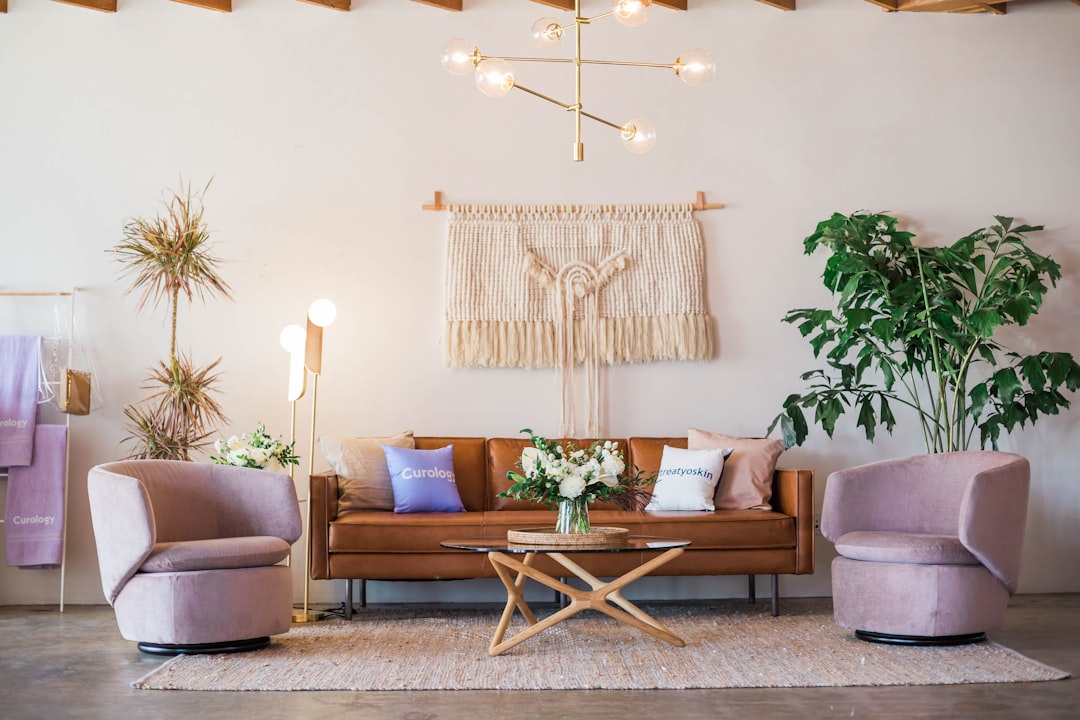
Living room: Start with one focal piece (sofa or media console) then choose supporting items. A thoughtfully sized coffee table anchors seating—browse compact and multi-level options in the Coffee Tables selection to match scale and function.
Bedroom: Choose a bed frame that fits the room comfortably and leaves space for bedside access and dressers. For rooms where under-bed storage matters, consider a sturdy option like the NEW JETO Metal Bed Frame, Queen Size which provides storage clearance and durable support.
Home office and workspaces
An ergonomic chair and appropriate desk footprint are essential if you work from home. Seat comfort affects productivity; prioritize lumbar support and adjustability. For a reliable starting point, explore the ergonomically focused Home Office Chairs collection tailored to different body types and budgets.
Match your desk size to work habits—if you need two monitors, a deeper surface is non-negotiable. Keep cable channels and drawer organization in mind when choosing a desk to avoid desktop clutter.
Entry and mudroom: small investments, big payoff
Entry furniture should manage shoes, coats, and keys without crowding. Slim shoe cabinets and flip-style organizers save floor space while keeping footwear accessible.
If your entry needs a narrow, efficient shoe solution, check the compact Xixini Shoe Storage Cabinet for a model that fits tight hallways and hides clutter behind doors.
Material, finish, and durability considerations
Think about daily use. For households with kids or pets, choose durable, stain-resistant fabrics and scratch-hiding finishes on wood. Solid-wood, metal frames, and performance textiles typically outlast cheaper particle-board options.
Also consider maintenance—lighter upholstery shows stains sooner, while darker wood can show dust. Matching finishes across large-scale pieces helps create cohesion; introduce contrast with smaller accents.
Checklist: quick decisions that prevent mistakes
- Measure room dimensions, doorways, and stairwells.
- Sketch a to-scale layout or use tape to mock-up footprints.
- Prioritize function: seating, storage, or workspace first.
- Check clearances: 30″ walkways, 12–18″ sofa-to-table gap.
- Choose multipurpose pieces for small rooms.
- Test comfort where possible—sit, open drawers, check finishes.
FAQ
Q: How much space should I leave around a coffee table?
A: Aim for 12–18 inches between seating and the coffee table for comfortable reach.
Q: What’s the easiest way to avoid buying oversized furniture?
A: Use painter’s tape to mark the intended footprint on the floor; live with the outline for a day to confirm flow.
Q: Can small rooms handle large furniture if arranged correctly?
A: Generally no—large furniture dominates small rooms. Instead choose fewer, well-scaled pieces and vertical storage to maximize perceived space.
Q: How do I choose a bed frame for storage needs?
A: Pick a frame with at least 10–12 inches of clearance for under-bed bins, or choose built-in drawers. The NEW JETO Metal Bed Frame is an example of a frame that leaves room for storage containers.
Q: What’s the best furniture choice for entryways with limited width?
A: Narrow benches or slim shoe cabinets maximize function while keeping passage clear—see slim organizers like the Xixini Shoe Storage Cabinet for inspiration.
Conclusion
Choosing furniture that fits your space is a practical process: measure, prioritize function, respect scale, and favor multipurpose pieces. Use the checklist and room-specific recommendations here to make confident choices that improve flow and durability—then enjoy a home that works as well as it looks.
Products Featured in This Article

NEW JETO Metal Bed Frame,Queen Size…
Product description A quality of life starts with a suitable bed. Metal Bed Frame Product material:…

VASAGLE Storage Chest, Storage Benc…
Product description Spacious to Organize More Items Large Capacity The large hidden compartment of this storage…

Xixini Shoe Storage Cabinet for Ent…
Product description Make Your Entryway Neat & Organized with XIXINI Shoe Storage Cabinet The video showcases…

How to Create a Calm, Comfortable, and Organized Home
Affiliate DisclosureThis article may contain affiliate links. As an Amazon Associate I earn from qualifying...
Read Guide →
Smart Storage Ideas for Every Room in the House
Affiliate DisclosureThis article may contain affiliate links. As an Amazon Associate I earn from qualifying...
Read Guide →
How to Organize Your Home Without Creating More Clutter
Affiliate DisclosureThis article may contain affiliate links. As an Amazon Associate I earn from qualifying...
Read Guide →