

Cleaning your home shouldn’t create more work than it solves. Small mistakes — the wrong product, the wrong order, or ignoring a high-traffic zone — can cost time, damage surfaces, and leave dirt hiding where you least expect it.
This guide covers common home cleaning mistakes and clear, practical ways to avoid them. Use the tips below to clean smarter, protect your furnishings, and build a low-friction routine that keeps your home feeling fresh.
Using the Wrong Tools and Products
One of the fastest ways to damage a surface is using an abrasive scrub or a chemical that’s too strong. Microfiber cloths, soft-bristle brushes, and pH-appropriate cleaners are usually enough for most tasks. For wood and finished surfaces, avoid bleach and highly alkaline cleaners — and protect surfaces from heat and water rings with simple accessories like a set of coasters such as the Lazebox Coasters Set of 8.
Mixing Cleaners or Using Too Much Product
Combining cleaners (especially bleach with ammonia or acids) can create toxic fumes. Also, using excess detergent or spray leaves residue that attracts dirt and dulls finishes. Read labels, use spot tests in inconspicuous spots, and dilute concentrated products according to instructions — especially on delicate pieces like an accent or farmhouse coffee table where finish damage is easy to miss. If you need ideas for low-maintenance surfaces, consider durable options such as the Tribesigns Rectangular Coffee Table, which pairs well with gentle cleaners and protective coasters.
Cleaning in the Wrong Order
Start high and work low: dust shelves and light fixtures first, then clean surfaces, and finish with the floors. Cleaning top-to-bottom prevents falling dust from re-contaminating cleaned areas. For fixed storage like bookshelves, remove objects, dust each shelf, clean items individually, then replace them — this is the easiest way to keep all surfaces truly clean. If you’re organizing a reading nook or display area, a tall, open shelving option such as the HOMISSUE Tall Bookshelf is simple to maintain when you stick to a top-to-bottom routine.
Neglecting Electronics and Media Areas
Electronics attract dust and fingerprints, but are sensitive to moisture and abrasive cleaning. Unplug devices before wiping, use a dry microfiber for screens, and compressed air or a soft brush for vents and keyboards. Cable clutter traps dust and makes cleaning harder — keep media centers accessible and organized. Choose media furniture with easy-to-clean designs and good ventilation; a low-profile entertainment console like the OKD 70” Mid-Century Modern TV Stand gives you room to manage cables and keeps electronics off dusty floors.
Overlooking Entryways and Shoe Areas
Entryways are filters for dirt, moisture, and outdoor allergens. If you ignore this zone, you’ll redistribute grime throughout the house. Place a washable runner, establish a clear shoe drop spot, and keep a bin or cabinet for frequently worn shoes. For tight spaces, a slim shoe cabinet helps keep the entry tidy and reduces tracked-in dirt; consider an option like the Xixini Shoe Storage Cabinet to streamline arrivals and departures.
Ignoring Decluttering and Smart Storage
Cleaning is harder when surfaces are piled with stuff. Declutter first: sort into keep, donate, and discard piles. Use stackable, sealed containers for seasonal items and pieces you don’t handle frequently — clear bins make contents visible and protect against dust and pests. A simple category to browse is plastic storage bins with lids for reliable, stackable storage that speeds future cleaning.
Skipping Furniture Care — Seats and Fabric
Spills set quickly on upholstery and cushions. Blot, don’t rub, liquid spills and treat according to fabric care labels. Rotate cushions regularly to avoid uneven wear and vacuum upholstered surfaces weekly with a brush attachment. For office and task chairs, wipe frames and bases and periodically check casters for hair and debris; options such as the Ergonomic Office Chair are easier to maintain when you keep debris out of the mechanism and follow simple spot-care steps.
Failing to Plan Routine Maintenance
Deep cleaning in a single marathon session is draining and inefficient. Break tasks into daily, weekly, and monthly lists so nothing gets missed — e.g., daily dishes and counters, weekly vacuuming and bathroom scrub, monthly vents, and filter checks. For seasonal swaps and storage, pick durable bins that stack well so you can rotate clothes and decor without losing time. Durable, stackable containers like the Hefty 72 Qt Hi-Rise Storage Bin make seasonal transitions simpler and reduce clutter that invites dirt.
Quick Checklist: Fix These Common Mistakes
- Stop mixing cleaning chemicals — use single-purpose cleaners or diluted, label-followed solutions.
- Always clean top-to-bottom and left-to-right to prevent re-soiling.
- Keep entryways contained with shoe storage and a doormat to trap dirt at the door.
- Use sealed bins for off-season items and clear containers for visibility.
- Protect and maintain furniture by following care labels and rotating cushions.
- Schedule small daily tasks and a weekly deep-clean block to avoid buildup.
FAQ
-
How often should I deep-clean my home?
Do a focused deep clean every 1–3 months for high-use rooms; perform monthly maintenance on HVAC filters, vents, and kitchen hood filters.
-
Can I use vinegar as a universal cleaner?
Vinegar works for many surfaces but can damage stone, sealed wood, and some finishes. Always test a small area and avoid using it on natural stone or waxed surfaces.
-
What’s the best way to manage seasonal items?
Sort before storage, use labeled clear bins, and store in a dry place. Stackable bins like the Hefty 72 Qt Hi-Rise Storage Bin help you rotate items without creating clutter.
-
How can I keep electronics dust-free?
Unplug before cleaning, use dry microfiber for screens, and a soft brush or compressed air for vents. Furniture that allows easy access behind gear, such as a ventilated TV stand, eases maintenance — for example, the OKD TV Stand.
-
What’s the simplest way to keep surfaces scratch-free?
Use soft microfiber cloths, avoid abrasive pads, and protect tabletops with coasters and placemats like the Lazebox Coasters.
Conclusion
Most cleaning mistakes are preventable with simple changes: use the right tools, clean in the right order, contain entryway messes, and keep clutter under control with reliable storage. Adopt small, repeatable habits and protect key surfaces — it pays off by saving time and extending the life of your furniture and floors.
Products Featured in This Article

Tribesigns Rectangular Coffee Table…
Product description Tribesigns 51-Inch Rectangular Coffee Table Its design seamlessly blends modern elegance with timeless charm,…

OKD 70″ Mid Century Modern Fl…
Product description The video showcases the product in use.The video guides you through product setup.The video…
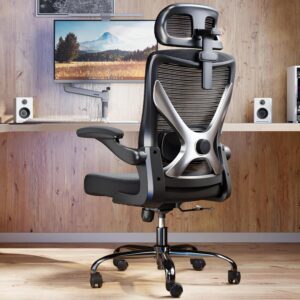
Ergonomic Office Chair: Mesh Desk C…
From the brand Designed for Work, Engineered for You At Ergalithic, we don’t just make office…

HOMISSUE Tall Bookshelf, 7-Tier Boo…
Product description Bookcase with Back Panel Simple to assemble with detailed installation instructions Solid and stable…

Xixini Shoe Storage Cabinet for Ent…
Product description Make Your Entryway Neat & Organized with XIXINI Shoe Storage Cabinet The video showcases…

Hefty 72 Qt Hi-Rise Storage Bin wit…
Product description Find the right HI-RISE Container Add to Cart Add to Cart Add to Cart…

Lazebox Coasters Set of 8 for Drink…
Product description Perfect Size: Each coaster measures 4″, making them suitable for most types of cups,…