


A Practical Guide to Organizing Your Pantry
Your pantry should make meal prep faster and grocery runs smarter, not add stress. Whether you have a walk-in pantry, a cabinet, or a single closet, this guide gives practical steps and real solutions to transform clutter into a functional food hub.
If you’re looking for storage ideas and products that work in everyday homes, browse the selection at Home Cove Picks for inspiration and options that fit a range of spaces and budgets.
1. Start with a Ruthless Clear-Out
Empty the pantry entirely. Take everything out so you can see expired items, duplicates, and things that don’t belong. Group items on your countertop: baking, canned goods, snacks, grains, spices, and pet food. Discard expired items immediately and set aside unopened goods to donate.
2. Create Categories That Match How You Cook
Organize by function, not by package type. Typical useful categories: breakfast, baking, canned goods, pasta & rice, snacks, baking tools, and meal kits. When categories reflect your routine, you’ll find what you need fast and reduce impulse purchases.
3. Take Inventory and Use a Simple System
Keep a running inventory list on your phone or a printed sheet. Note staples that should never fall below a minimum level (e.g., rice, oil, canned tomatoes). For perishable pantry-style items (open coffee, nuts), write a “best by” date on the container as you decant it.
4. Use Clear, Stackable Containers and Bins
Switching to uniform containers immediately improves visibility and makes stacking safer. Hard plastic bins with lids work well for overflow, seasonal items, or dry goods you buy in bulk. Look for stackable, airtight options that fit your shelves.
For a dedicated selection of storage options, check this curated category for Plastic Storage Bins with Lids.
5. Choose the Right Size Bins for the Job
Reserve large bins for big, infrequent buys—flour, dog food, paper goods—and smaller bins for snack packs and single-serve items. A good option for large trunk-style storage is the Hefty 72 Qt Hi-Rise Storage Bin, which stacks and keeps off-season or bulk foods sealed and accessible.
6. Maximize Vertical Space with Shelving and Risers
Open vertical space is pantry gold. If your pantry shelving is sparse or uneven, consider freestanding shelving units that are tall and narrow to add levels without crowding the floor. A tall, multi-tier shelf such as the HOMISSUE Tall Bookshelf can work well in a pantry corner to hold baskets, labeled jars, and bulk bins.
If you have closet-style pantry shelves, add risers and turntables for canned goods so nothing hides at the back.
7. Repurpose Slim or Multi-Function Furniture
Not every home has a built-in pantry. Consider repurposing narrow furniture pieces to create pantry zones. Slim cabinets and chests with compartments can store baking sheets, oils, and small appliances. A slim, multi-compartment unit like the Xixini Shoe Storage Cabinet can be surprisingly effective for narrow pantries—flip drawers work well for small bags, snack packs, and boxed mixes.
8. Tame Small Items with Organizers
Spices, tea bags, seasoning packets, and small baking tools need compartmentalizing. Use small drawer organizers, clear spice jars, or modular dividers to keep these items accessible. For cosmetics and tiny household items people already use at home, look at categories like Makeup Storage Organizers—the same compartment designs work well for tea bags, sachets, and single-serve items in a pantry.
9. Floor Storage and Heavy Items
Keep heavy or bulky items on the lowest shelf or floor to avoid accidents. A storage bench or chest near the pantry entry can store pet food, bulk rice, and paper towels while doubling as a landing spot when you unload groceries. Consider a practical option such as the VASAGLE Storage Chest, Storage Bench for sturdy, concealed floor storage.
10. Labeling, Rotation, and FIFO
Label every bin and jar clearly—use a label maker or write dates on masking tape. Apply the FIFO method (first in, first out): place newly purchased items behind older ones so older items get used first. For bulk dry goods decanted into clear containers, write the purchase or best-by date on the container.
11. Pantry Door and Wall Storage
Don’t waste door space. Over-the-door racks and wall-mounted organizers are perfect for oils, condiments, and wraps. If you have a narrow entry area, an over-door system or a small wall shelf can be a major space-saver without changing existing shelving.
Checklist: Quick Pantry-Organizing Steps
- Empty and sort everything; toss expired items.
- Create categories that match your cooking habits.
- Use clear, stackable containers and uniform bins.
- Label containers and adopt FIFO rotation.
- Maximize vertical space with tall shelving or risers.
- Store heavy items low and frequently used items at eye level.
- Repurpose narrow furniture for extra organized storage.
- Keep a running inventory list and update weekly.
FAQ
-
How often should I reorganize my pantry?
Do a quick tidy weekly and a full reorganization each season or when you notice clutter or expired goods building up.
-
Are clear containers worth the investment?
Yes—clear containers improve visibility, reduce waste, and stack neatly, which saves time and money in the long run.
-
What’s the best way to store spices?
Keep spices in a cool, dry place away from direct heat. Use uniform jars with labels and arrange by frequency of use or type (savory vs. baking).
-
How do I handle limited pantry space?
Prioritize essentials, use vertical solutions like tall shelving, and repurpose slim furniture pieces that tuck into small gaps for added storage.
-
Can furniture from other rooms help in a pantry?
Absolutely. Multi-tier bookshelves and storage benches can be repurposed for pantry use—see shelving options and storage chests to adapt to your space.
Conclusion
Organizing a pantry is a practical project with immediate payoffs: less food waste, faster meal prep, and clearer grocery lists. Start by clearing and categorizing, invest in a few quality containers and vertical shelving, and stick to simple routines like labeling and FIFO. Small changes—stackable bins, a tall shelf, or a storage bench—can make your pantry functional and calm.
Products Featured in This Article
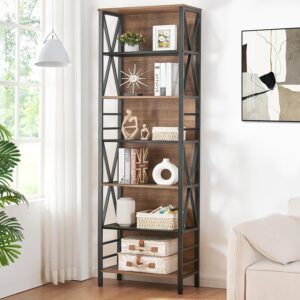
HOMISSUE Tall Bookshelf, 7-Tier Boo…
Product description Bookcase with Back Panel Simple to assemble with detailed installation instructions Solid and stable…

VASAGLE Storage Chest, Storage Benc…
Product description Spacious to Organize More Items Large Capacity The large hidden compartment of this storage…

Xixini Shoe Storage Cabinet for Ent…
Product description Make Your Entryway Neat & Organized with XIXINI Shoe Storage Cabinet The video showcases…

Hefty 72 Qt Hi-Rise Storage Bin wit…
Product description Find the right HI-RISE Container Add to Cart Add to Cart Add to Cart…