


A Beginner’s Guide to Creating a Comfortable Bedroom
Your bedroom should be a restful, functional place that supports sleep, relaxation, and everyday routines. Creating comfort doesn’t mean buying everything at once—it means making thoughtful choices that improve how the space feels, performs, and looks.
This guide breaks the process into simple steps: the bed foundation, bedding, storage, lighting, and small habits that improve comfort immediately. Follow these practical tips and adapt them to your space and budget.
Start with the bed: foundation and frame
The bed is the central piece—choose a frame that fits your mattress size, offers stability, and provides the desired height for getting in and out easily. A reliable frame prevents sagging and keeps the mattress performing as intended. Browse options like Bed Frames to find sturdy, space-saving designs that match your bedroom scale.
Mattress-friendly bedding: sheets that fit and breathe
Sheets are the interface between you and the mattress: the right fabric and fit affect temperature regulation and feel. Prioritize breathable fibers (cotton, linen blends) and proper pocket depth. Buy one high-quality set and one backup for laundering cycles. See selection ideas under Bed Sheet Sets to match thread count, weave, and fit to your needs.
Layer with duvets and covers for easy comfort control
Layering makes the bed adaptable by season. Use a reversible duvet or a duvet cover that’s easy to wash; add a lightweight blanket for summer and a warmer insert for winter. Duvet covers are a simple way to change style and cleanliness without replacing the whole set—check practical, washable options at Duvet Cover Sets.
Pillows and sleep accessories: support and personal comfort
Pillows determine neck and spinal support. Choose pillow types that match your sleep position: medium-support for back, firmer for side sleep, softer for stomach. For universal comfort and pressure relief, consider options like Memory Foam Pillows. Rotate and replace pillows every 1–3 years depending on wear.
Bedside essentials: nightstand, lighting, and routines
A compact nightstand keeps essentials within reach: a lamp, glass of water, phone, and a small tray for jewelry. Choose a nightstand with a drawer or shelf if you prefer hidden storage. A practical, well-built option is the Night Stand [Unique Curved Profile], which provides bedside storage without crowding the room.
Declutter and organize: dressers and closet solutions
Clutter undermines calm. Use drawer organizers and designate zones for folded clothes, sleepwear, and accessories. If your bedroom lacks built-in storage, add a dresser that fits the wall and complements the layout—options like EnHomee White Dresser offer multiple drawers and versatile organization for clothing and linens.
Smart small-item storage: under-bed and seasonal solutions
Make the most of under-bed and vertical space with slim storage containers that slide under the frame. Clear, lidded bins keep items dust-free and visible—perfect for out-of-season bedding or extra blankets. Consider stackable, durable options such as Plastic Storage Bins with Lids to keep the room tidy without bulky furniture.
Lighting, scent, and finishing touches
Lighting layers—ambient, task, and accent—change how a room feels. Install warm-toned bulbs for evening relaxation, add a reading lamp for bedside tasks, and use dimmers where possible. Small scent or warmth elements can enhance comfort without overpowering: a candle warmer offers safe scent diffusion and gentle light. A compact option like the Innqoo Candle Warmer Lamp brings soft illumination and scent control without an open flame.
Checklist: Quick actions to make your bedroom more comfortable
- Center on a solid frame and mattress: confirm fit and stability.
- Buy at least two fitted sheet sets and one quality duvet cover.
- Choose pillows suited to your sleep position; replace if lumpy.
- Add a bedside surface with a small drawer for clutter control.
- Install storage for out-of-season linens—use lidded bins under the bed.
- Layer lighting—ambient + task + night—use warm bulbs for sleep time.
- Keep a simple routine: nightly tidy + weekly linen rotation.
FAQ
-
How do I pick the right mattress firmness?
Match firmness to your sleep position: medium for back sleepers, firmer for side sleepers who need hip support, softer for stomach sleepers. Trial periods and return policies help—test for a few weeks before deciding.
-
How often should I wash sheets and pillowcases?
Wash sheets and pillowcases every 1–2 weeks. Pillow protectors can extend the time between washing pillows themselves; pillows typically need cleaning or replacement every 1–3 years depending on material.
-
What’s the best way to reduce bedroom clutter?
Create dedicated zones: sleeping, dressing, and storage. Use dressers and clear bins for seasonal items and adopt a “one in, one out” rule for clothing to prevent accumulation.
-
Is a duvet or comforter better?
Duvets with removable covers are easier to clean and adapt to seasons by swapping the insert. A comforter is simpler but less flexible; choose based on maintenance preference and local climate.
-
How can I make a small bedroom feel larger?
Use low-profile furniture, keep color palette light and consistent, and maximize vertical storage. Multi-functional pieces and clear under-bed storage reduce floor clutter and visually open the room.
Conclusion: One practical takeaway
Start with a stable bed and breathable bedding, then solve one storage or lighting problem at a time. Small, purposeful upgrades—like the right sheets, a supportive pillow, a tidy nightstand, and clear under-bed bins—add up to a bedroom that’s comfortable, functional, and restful. Pick one area to improve this weekend and build from there.
Products Featured in This Article
![Night Stand [Unique Curved Profile]...](https://homecovepicks.com/wp-content/uploads/2026/07/71oLWjNoK7L._AC_SL1500_-300x300.jpg)
Night Stand [Unique Curved Profile]…
From the brand TV Stand for TVs Up to 65” Curved Nightstand(Oaked Gray) Curved Nightstand(Brown) Curved…

EnHomee White Dresser for Bedroom w…
Product description White Dresser with 10 Deep Wood Drawers The video showcases the product in use.The…
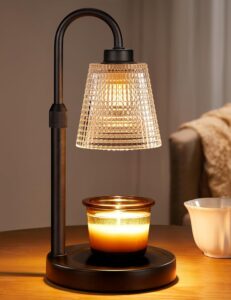
Innqoo Candle Warmer Lamp with Time…
From the brand Ideal Gift Gold Candle Warmer Lamp Brown Candle Warmer Lamp Rustic Candle Warmer…